
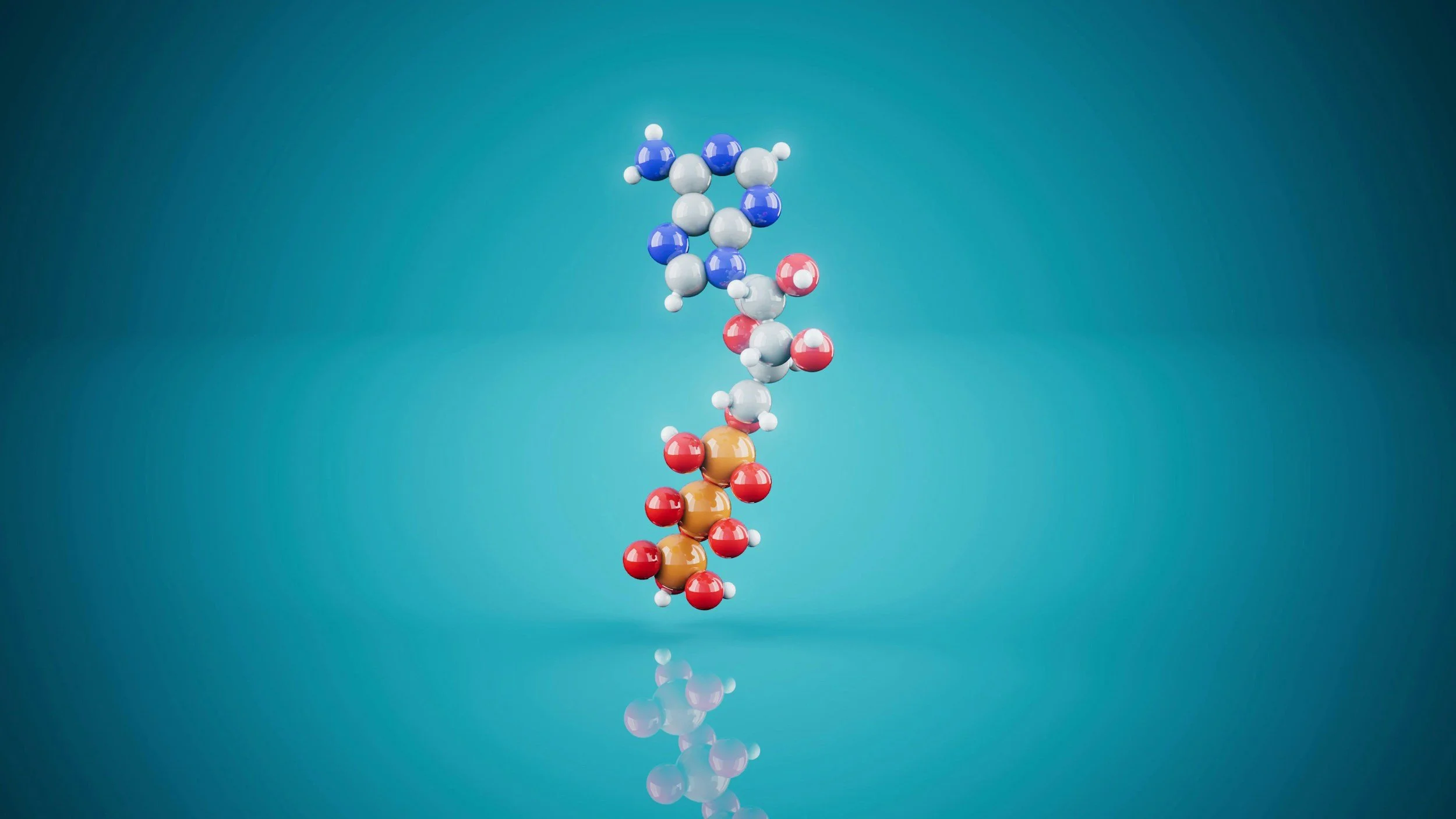
Peptides 101
The body's precision signaling molecules.
Peptides have become one of the most talked-about topics in modern medicine, and one of the least understood.
If you've spent any time reading about longevity, recovery, metabolism, or healthy aging, you've probably heard the word peptides.
Some people call them the future of medicine. Others dismiss them as the latest wellness trend. The truth, as it often is, lies somewhere in between.
Peptides aren't new. They aren't magic. And they aren't a shortcut.
They are naturally occurring molecules your body has been using to communicate with itself since the day you were born. Understanding what they are, and what they aren't, is the first step toward deciding whether they're worth discussing with your healthcare provider.
What are peptides?
Peptides are short chains of amino acids, the building blocks of proteins.
While proteins often serve as the body's structure—forming muscles, skin, enzymes, and organs—peptides are often part of its communication system.
Think of them as highly specific biological signals. They bind to receptors on cells and deliver instructions that help coordinate countless processes throughout the body. Some influence appetite. Others support tissue repair, metabolism, inflammation, sleep, sexual function, or the release of other hormones.
Your body naturally produces thousands of different peptides every day. They're part of how your biology keeps itself running.
Why are people talking about peptides now?
Scientists have studied peptides for decades, but advances in biotechnology have dramatically expanded our understanding of how certain peptides interact with the body.
Today, researchers continue to investigate their potential role in areas such as metabolic health, body composition, recovery, healthy aging, and sexual wellness. At the same time, public interest has grown rapidly.
As with many emerging areas of medicine, excitement has sometimes outpaced evidence. That's why it's important to separate promising science from exaggerated claims.
What can peptides do?
There isn't one peptide, there are thousands. And different peptides have different jobs. Depending on the specific peptide being studied or prescribed, they may influence processes such as:
Recovery and tissue repair
Muscle maintenance
Metabolic regulation
Appetite and satiety
Blood sugar regulation
Sexual health
Sleep
Skin health
Cellular signaling
Each peptide has its own biological role, potential benefits, limitations, and safety considerations.
Are peptides hormones?
No. Hormones and peptides are different, although they often work together. Hormones are chemical messengers that coordinate many of the body's major systems. Some hormones are themselves peptides, while many peptides influence hormone production or work alongside hormonal pathways.
Think of hormones as one part of the body's communication network and peptides as another. Together, they help keep countless biological processes working in harmony.
Why peptides matter in midlife
As we age, our bodies don't simply produce fewer hormones. Many of the signaling systems that help regulate repair, recovery, metabolism, and resilience change as well. That's one reason recovery often takes longer than it once did.
Muscle becomes harder to build. Body composition shifts. Healing may slow.
Scientists continue to study whether certain peptide therapies may help support some of these biological processes in appropriate patients. Research is ongoing, and not every therapy is appropriate for every person.
Are peptides right for everyone?
No. Like any medical therapy, peptide treatments involve potential benefits, limitations, and risks. The right approach depends on your health history, symptoms, goals, current medications, and the available clinical evidence.
Some people may be appropriate candidates. Others may not. That's why peptide therapy should begin with a thoughtful medical evaluation, not a social media recommendation.
Peptides are not the whole story
It's easy to think there's a molecule for every problem, but biology is more complicated than that.
Peptides may support certain biological processes, but they cannot replace the fundamentals that build long-term health, like strength training challenges the body to adapt, nutrition supplies the raw materials, sleep allows repair, hormones influence the environment, and movement improves resilience.
The greatest improvements in health almost always come from these systems working together, not from any single therapy alone.
The Reign Perspective
We believe peptides represent an exciting and rapidly evolving area of medicine. We also believe they deserve thoughtful conversations instead of exaggerated promises.
At Reign, we don't view peptides as miracle solutions. We view them as precision tools that may complement a broader approach to women's health when clinically appropriate. Because the goal isn't simply to optimize a molecule, it's to help women build more strength, more resilience, and more vitality for the decades ahead.
This content is provided for educational purposes only and should not be considered medical advice. Peptide therapies are not appropriate for every individual, and not all peptides have been approved for every use. Treatment decisions should be made in consultation with a qualified healthcare professional based on your individual health history, goals, and clinical needs.